
National compassionate and respectful care training package
Continuing Education Unit (CEU): 15
Course Level: Basic
Course Duration: 6
Course Owner: Ministry of Health
Passing Score: 85
- Medical Doctor Professionals – General Practitioner/GP/,
- Medical Laboratory professionals – Assistant Medical Lab. Technician,
- Medical Laboratory professionals – BSC,
- Nurse,
- Midwifery professionals – MSC/Psychiatric Nursing professionals,
- Midwifery professionals – BSC/Psychiatric Nursing professionals,
- Nurse professional – BSC,
- Nurse professional – Diploma,
- Nurse professional – IV,
- Nurse professional – MSC,
The “National compassionate and respectful care training package” is a training program developed by the Federal Ministry of Health of Ethiopia and approved in June 2017. It aims to ensure health workers provide high-quality, person-centered care by training them in compassionate and respectful interactions with patients. The package includes materials for in-service training and is part of Ethiopia’s national effort to standardize health worker training and improve health outcomes.
This RMC module is designed to equip you with all the necessary knowledge, skill and attitudes to provide individualized, dignified, culturally sensitive and satisfying RMC services in RH settings.
About the training package
- Purpose:
To standardize and institutionalize in-service training in the health sector, focusing on compassionate, respectful, and caring (CRC) practices.
- Objective:
To improve the quality of healthcare by fostering a skilled and compassionate health workforce.
- Components:
The package includes a participant manual and learning guides designed for in-service training.
- Review and Approval:
The training materials have been reviewed against the Ministry of Health’s standardization checklist and officially approved.
Key concepts covered
- Compassion:
A deep sympathy for the suffering of others, coupled with a desire to alleviate it.
- Respect:
Care that supports a person’s self-respect, including listening, avoiding harm, and involving them in their care decisions.
- Person-centered care:
Acknowledging patients as human beings with complex psychological, social, and economic needs.
- Effective communication:
Emphasizing clear and effective communication with both patients and colleagues.
Curriculum
- 4 Sections
- 0 Lessons
- 6 Days
- Compassiongenuine desire to alleviate that suffering. In healthcare, compassion goes beyond mere sympathy; it involves actively engaging with patients' emotional and physical experiences. This concept encourages healthcare professionals to understand the pain and challenges faced by patients, fostering an environment where individuals feel valued and cared for. By demonstrating compassion, healthcare providers can create stronger connections with patients, which can lead to improved patient satisfaction, adherence to treatment, and overall health outcomes.1
- RespectRespect in healthcare is about recognizing and supporting a person's self-worth and dignity. This involves listening attentively to patients, valuing their opinions, and ensuring that they are actively involved in decisions regarding their care. Respectful care includes avoiding actions that may harm patients physically or emotionally, and it fosters a sense of trust between patients and healthcare providers. By honoring patients’ preferences, beliefs, and backgrounds, healthcare professionals can empower individuals, encouraging them to take an active role in their health and well-being.1
- Person-Centered CarePerson-centered care is an approach that treats patients as whole individuals rather than just as cases or conditions. It acknowledges that patients have complex psychological, social, and economic needs that influence their health and well-being. This concept emphasizes the importance of understanding patients' unique circumstances, preferences, and values, and tailoring care accordingly. By adopting a person-centered approach, healthcare providers can create more meaningful relationships with patients, leading to more effective and personalized care plans that enhance overall satisfaction and health outcomes.1
- Effective CommunicationEffective communication is crucial in healthcare, as it ensures that information is conveyed clearly and accurately between patients and healthcare professionals, as well as among colleagues. This involves not only verbal communication but also non-verbal cues, active listening, and appropriate body language. Effective communication fosters an environment where patients feel comfortable expressing their concerns and preferences, which can lead to improved understanding and collaboration in care. Furthermore, good communication among healthcare teams enhances coordination and safety, ultimately benefiting patient care and outcomes.1
Instructor

Founder and General Managing Director
The National Compassionate and Respectful Care Training Package is designed to enhance the skills and knowledge of healthcare professionals in delivering empathetic and respectful care to patients and their families. This comprehensive program focuses on the importance of compassion in healthcare settings, emphasizing communication, emotional support, and understanding the diverse needs of patients. Participants engage in practical scenarios, workshops, and discussions to foster a culture of kindness and respect, ultimately improving patient experiences and outcomes in various healthcare environments.
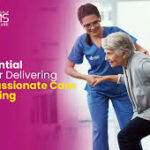
The National Compassionate and Respectful Care Training Package is designed to enhance the skills and knowledge of healthcare professionals in delivering empathetic and respectful care to patients and their families. This comprehensive program focuses on the importance of compassion in healthcare settings, emphasizing communication, emotional support, and understanding the diverse needs of patients. Participants engage in practical scenarios, workshops, and discussions to foster a culture of kindness and respect, ultimately improving patient experiences and outcomes in various healthcare environments.